Episode 49: $20k for Scope 3? Not even close
Supported by
In this episode of the Scope 3 Podcast, Ollie, Tom and Dexter unpack a rapidly shifting landscape – from regulation and standards to the reality of making Scope 3 actually work in practice.
They start by exploring what’s happening across the Scope 3 market right now:
why regulation like CBAM – the Carbon Border Adjustment Mechanism – is starting to force real change and drive demand for primary data
what the latest GHG Protocol updates mean in practice, including the push for 95% coverage and better data quality
the emergence of new frameworks like the AIM Platform and what they signal about how companies will account for “real world” decarbonisation actions
the wave of market consolidation, including major moves from Makersite, SiGreen and Carbon Maps, as the tools landscape begins to mature
They also reflect on new research showing a growing gap: companies are broadly on track for Scope 1 and 2, but still significantly off track on Scope 3 – with 2030 targets fast approaching.
The, it’s time to revisit the controversial figures coming out of the California Air Resources Board (CARB), which suggest Scope 3 reporting could cost as little as $8,000-$20,000. The team dig into why those numbers don’t stack up in the real world, what might be driving them politically, and the risk of oversimplifying what Scope 3 really involves once companies move beyond basic reporting.
Ollie catches up with environmental lawyer and former Navistar sustainability leader Chris Perzan, who gives a grounded, insider view of what’s really happening behind the CARB proposals. They explore how California has effectively become the centre of gravity for Scope 3 regulation in the US, why translating voluntary standards like the GHG Protocol into enforceable rules is so difficult, and the risk that companies default to easier, less accurate approaches like spend-based data. Chris also shares his perspective on the wider regulatory upheaval in the US, including major rollbacks in federal climate policy and what that could mean for companies trying to plan and hit their targets.
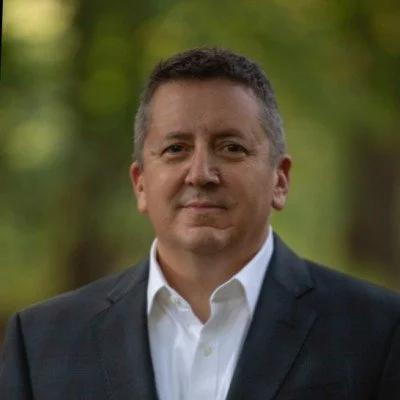
In the second half, Tom sits down with William Paddock, founder of WAP Sustainability, for a deep dive into the reality of Scope 3 execution. This is a conversation about what actually breaks once companies move from reporting to action. William explains why “lower carbon” purchasing decisions often fail to show up in Scope 3 numbers, how disconnected tools and methodologies are creating confusion, and why he sees Scope 3 fundamentally as a data and structure problem.
They get into the practicalities of supplier engagement – why most emissions sit with a relatively small number of suppliers, why companies underestimate how much data already exists, and why simply asking for it is often the biggest unlock. The discussion also challenges some of the prevailing narratives in sustainability, arguing that real progress often comes not from big, headline-grabbing innovations, but from better data, better accounting, and smarter procurement decisions.
It’s another wide-ranging episode that moves from policy to practice, from theory to execution – and ultimately asks what it will take to turn Scope 3 from a reporting exercise into something that genuinely drives change.