Episode 45: STARK Group and Perennial
Supported by

This time on the Scope 3 Podcast, it’s just Ollie and Tom (Dexter’s off skiing in style), and we dive into two very different – but equally practical – conversations:
What real supplier engagement looks like when you stop talking about it and actually do it
And how soil carbon measurement is evolving beyond theory and pilots into something that could scale globally
Along the way, we also touch on some interesting developments in the world of Scope 3 tools, regulation, and investor scrutiny.
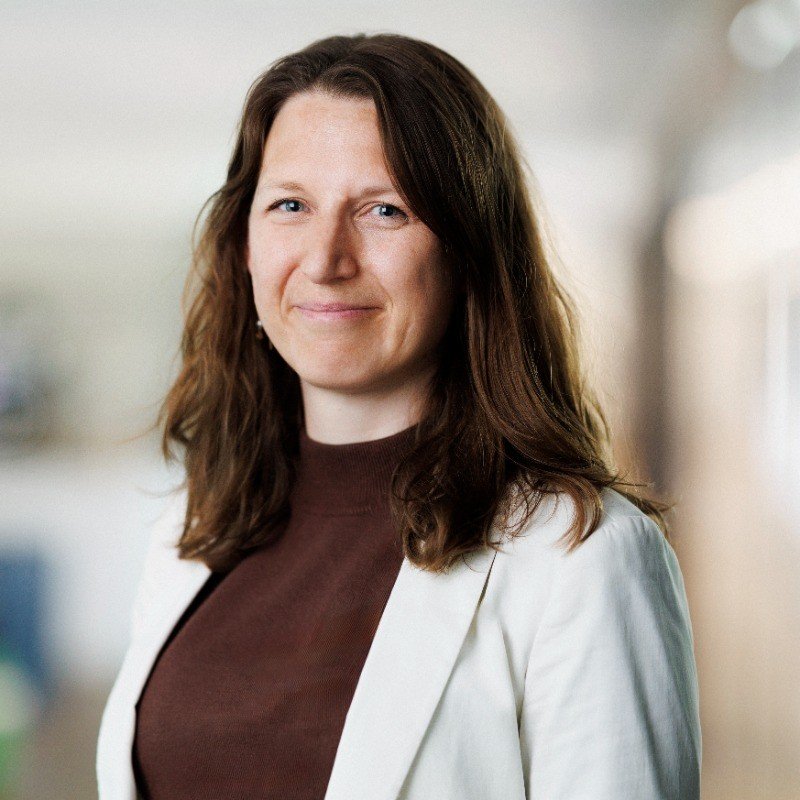
Rikke Christensen, Director of Sustainable Sourcing at STARK Group (parent company of brands including Jewson in the UK), joins Ollie to talk about what’s changed in Scope 3 over the past 12 years – and what hasn’t.
Rikke has worked across pharma (including LEO Pharma and the PSCI – Pharmaceutical Supply Chain Initiative), mining, and now construction. She’s seen Scope 3 evolve from “What is Scope 3?” to deeply technical debates about product carbon footprints, EPDs and science-based targets.
Here’s what you can expect from this conversation:
Why supplier engagement is still the core lever – regardless of industry
What’s different when suppliers are mature (and what’s not)
Why she once said she “hated carbon footprints” – and what changed
The practical challenge of finding the right person inside a supplier organisation
Why getting procurement, commercial, and sustainability on the same call is often the breakthrough moment
We also dig into STARK’s bold move at the Scope 3 Strategy Days in London when Rikke brought key suppliers into the peer group itself. Her ‘European Supplier Programme’ suppliers were initially confused (“Why is our customer inviting us to a conference?”), but left wanting more time, not less. Competitors in the same room. Open discussion. No price talk. Real engagement.
Rikke also gives a clear signal to solution providers:
If you can make it genuinely easy to see which suppliers have Science Based Targets (via SBTi) and actually use that data meaningfully, you’ll solve a real problem.
In the second half, Tom speaks with Jack Roswell, co-founder and CEO of Perennial, an MRV (measurement, reporting and verification) company focused on soil carbon. If you work in food, beverage, agriculture, fibre or fashion, this one’s especially relevant.
Jack explains:
Why most soil carbon approaches rely too heavily on models
The difference between inferred abatement and measured outcomes
How Perennial uses digital soil mapping, satellite data, and large soil sample libraries to measure carbon without sampling every field
Why removals matter if you actually want to “drain the bathtub,” not just slow the tap
We also discuss:
The shift from carbon markets to supply chain resilience
The impact of the Land Sector Removal Standard (LSRS)
Perennial’s work with companies like Vital Farms, Bayer, and Regen fibre supplier Nativa
Their involvement in the Verra Scope 3 pilot
Jack makes a strong case for agriculture as the largest, most immediate carbon sink available – with no new infrastructure required. Just different incentives.
If you’re grappling with how removals fit into a serious Scope 3 strategy, this conversation is worth your time.
In the news…
We also touch on:
Updates from Worldly (expanding their emissions tools beyond fashion into consumer products)
Ditch Carbon’s new beta tool at climatemate.io, scraping sustainability reports to identify real Scope 3 reduction levers
Investor concerns around Scope 3 data quality (as reported in Responsible Investor)
FCA proposals that could make climate disclosures mandatory from 2027, with Scope 3 reporting or justification required from 2028